 how-to
How to Read Home Inspection Reports Without Missing Red Flags
Last Updated: November 5, 2026
Quick Summary
To read home inspection reports, read the summary first, then match every item to its detailed finding and the inspector's own rating legend. Highlight red flags, note every not inspected item as unknown, and get specialist quotes before your condition deadline.
- Read the inspection-conditions page first, because a finding marked not visible is not a clean bill of health.
- Find the legend page near the front, since each firm builds its own rating scale and color code.
- Treat urgent, poor, or red items as safety or habitability issues and get a quote fast.
- Match limitations on major systems to the right specialist, such as a structural engineer for foundation concerns.
- Sort findings into fix now, fix soon, and monitor before you negotiate with the seller.
Table of Contents
- What a Home Inspection Report Actually Contains
- How to Read Condition Ratings and Color Codes
- Home Inspection Report Examples: A Walk Through the Findings
- Home Inspection Report Red Flags You Should Never Ignore
- Inspection Limitations Versus Confirmed Defects
- How to Prioritize Home Inspection Repairs by Severity and Cost
- What to Do After a Home Inspection
- Frequently Asked Questions
What a Home Inspection Report Actually Contains
Learning how to read home inspection reports starts with knowing what you are holding, and home inspection reports are the focus here. A home inspection report is a written record of what a licensed inspector observed during a visual walk-through of a property on a specific day.
The report is not a warranty, and it is not a prediction. It is a snapshot.
Most reports follow a similar structure:
- Property information: address, age, size, weather on inspection day
- Inspection conditions: what was visible and what was blocked
- Summary of findings: the headline items
Property Information and Inspection Conditions
The opening pages set the scene. Read them before anything else.
They tell you the date, the outdoor temperature, and whether it was raining or snowing. They also list limits, such as a locked basement, a snow-covered roof, or a crawlspace that was not accessible.
Those limits matter. A finding marked "not visible" is not a clean bill of health.
Inspected, Not Inspected, and Not Applicable
These three labels confuse more buyers than any other part of the report.
- Inspected: the inspector looked at it and describes its condition
- Not inspected: it exists but could not be reached or safely viewed
- Not applicable: the home does not have that component
Watch out: "not inspected" often gets skimmed as "fine." It means unknown, and unknown deserves a follow-up question.
How to Read Condition Ratings and Color Codes
A condition rating tells you how serious a finding is, but the first thing to understand is that there is no single national rating scale.
Read the rating, the sentence under it, and the recommendation together. A yellow rating on a dripping shut-off valve is a cheap fix.
Watch out: a green rating on a component the inspector could only partly see is not the same as a green rating on a fully visible one.
How to Turn a Rating Into a Decision
A rating only becomes useful when you attach a next step to it. A practical pattern most buyers find workable:
- Satisfactory or green: note it, budget for normal wear, and move on.
- Monitor or yellow with a maintenance recommendation: add it to a first-year maintenance list and get a rough quote so you are not surprised.
- Repair or yellow with a defect noted: get a specialist quote before your condition deadline and decide whether to negotiate.
A common mistake is treating the color as the whole message. Two red items can carry very different price tags, and two yellow items can carry very different risk. The color sorts your attention; the written finding and a quote sort your money.
Why the Same Finding Can Be Rated Differently
Ratings reflect the inspector's judgment on the day, the age of the home, and what was visible. A 25-year-old roof near the end of its service life may be rated 'monitor' by one inspector and 'repair' by another, because both are describing the same shingles from different angles of risk.
If a rating seems inconsistent with the written note, ask the inspector to clarify in writing before your condition deadline. A short email that confirms what the rating means for your decision is worth more than a second opinion from a friend.
Home Inspection Report Examples: A Walk Through the Findings

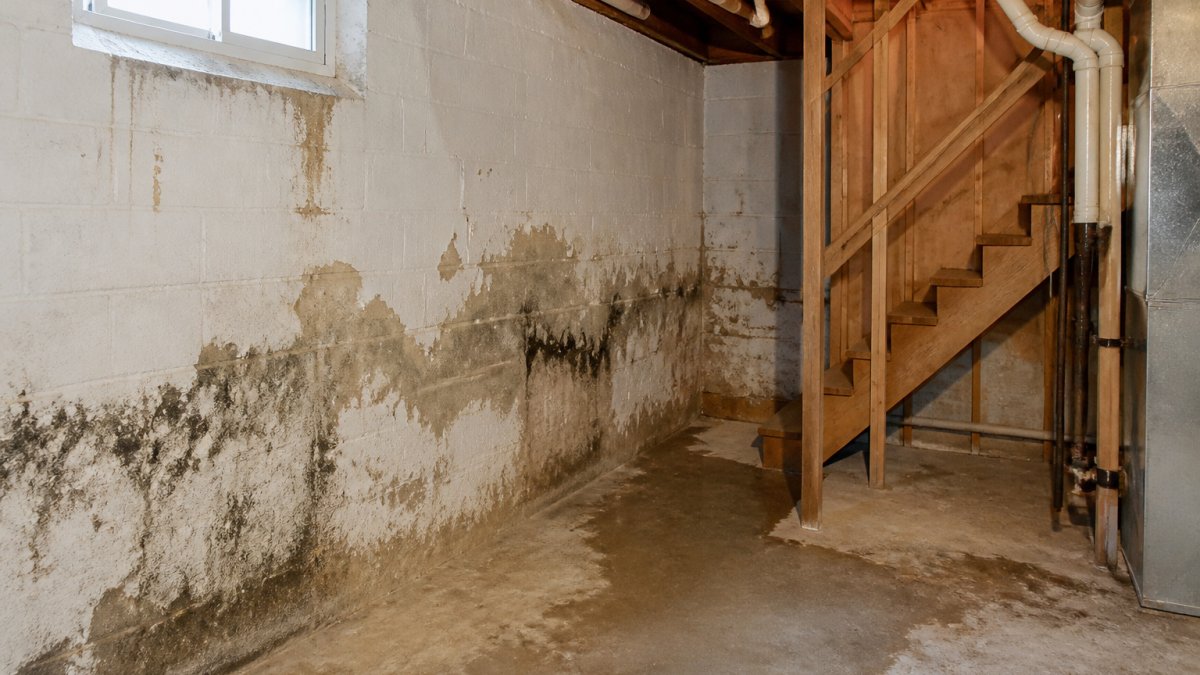
Picture a summary page that lists three items: a worn roof, a loose handrail, and a moisture stain in the basement. That is your starting point, not the whole story.
Flip to the detailed sections next. That is where the inspector explains the roof's age, the stain's likely source, and whether the handrail is a safety hazard.
Summary of Findings Versus Detailed Findings by System
The summary is a shortlist. The detailed findings by system are the evidence.
A common mistake is reading only the summary and skipping the rest. The summary highlights major concerns, but the detail often explains why an item is minor or moderate.
Book Your Inspection Online Now →
Read both. Then match each summary item to its full entry.
Home Inspection Report Red Flags You Should Never Ignore
Red flags are the findings that should change your offer, your timeline, or your decision. They fall into a few groups:
- Safety hazards: exposed wiring, a failed furnace heat exchanger, missing handrails
- Water damage and moisture intrusion: active leaks, stained ceilings, poor drainage
- Structural concerns: cracked foundation, sagging floors, roof penetrations
To separate true red flags from routine maintenance items, see our guide on identifying minor maintenance vs major defects in a home.
Inspection Limitations Versus Confirmed Defects
A confirmed defect is something the inspector saw and documented. A limitation is something the inspector could not see. That gap is where surprise repair bills hide, and learning to tell the two apart in the report text is one of the highest-value skills a buyer can build.
A standard home inspection is visual and non-invasive. The inspector observes what is exposed and accessible on the day of the visit. That scope creates predictable limitations:
- Concealed conditions: what is inside walls, under floors, behind finished ceilings, or beneath insulation
- Inaccessible areas: a locked crawlspace, a packed garage, a roof too steep or too high to walk, an attic hatch blocked by stored boxes
- Weather-related limits: snow on the roof, frost on the ground, heavy rain that hides exterior grading
None of those are defects. They are unknowns, and unknowns deserve a follow-up question rather than a clean bill of health.
How to Spot a Limitation in the Report Text
Limitations usually show up in three places: the inspection-conditions page, the 'not inspected' labels on individual components, and the recommendation language inside a finding. Phrases like 'not visible,' 'concealed,' 'could not be accessed,' 'not tested,' and 'recommend further evaluation' are the tells.
Watch out: a component marked 'not inspected' is often skimmed as 'fine.' It means unknown. If a limitation covers a major system, roof, foundation, electrical, plumbing, HVAC, septic, or well, treat it as an open item until a specialist closes it.
Matching the Limitation to the Right Specialist
When a limitation covers a major system, the fix is usually a targeted specialist evaluation, not a second general inspection. A practical mapping most buyers find useful:
- Roof not walked or snow-covered: a roofing contractor can assess from the ground, from a ladder, or with a drone and give a remaining-life estimate.
- Foundation or structural movement suspected: a structural engineer, not a contractor, is the right call for an opinion on cause and remedy.
- Electrical panel or wiring concerns: a licensed electrician can open the panel and confirm what the general inspection could only flag.
Ask for those specialist evaluations before you remove conditions. A specialist report converts an unknown into a number you can negotiate with, and it protects you if the issue turns out to be larger than the general inspection could show.
What a Home Inspection Does Not Assess
Setting expectations early prevents disappointment later. A standard visual inspection does not test for asbestos, mold, radon, lead, pests, sewer line condition, or the inside of concealed walls. It does not dismantle equipment or predict remaining service life with certainty. If any of those matter for your purchase, and in an older home they often do, commission the separate test rather than assuming the inspection covered it.
How to Prioritize Home Inspection Repairs by Severity and Cost
Sort every finding into one of three buckets before you negotiate.
| Priority | What It Looks Like | Your Move |
|---|---|---|
| Fix now | Safety hazard or active leak | Get a quote, ask for a credit |
| Fix soon | Worn roof, aging furnace | Budget for it in year one |
| Monitor | Minor wear, small cracks | Note it, revisit in six months |
Use this severity and cost-prioritization framework to decide what to raise with the seller. Minor maintenance items rarely justify reopening a deal. Urgent repairs and safety hazards usually do.
What to Do After a Home Inspection
The report lands, and now you have decisions to make. Here is a clear action plan for buyers:
- Read the summary, then the full detail
- Highlight every red flag and safety hazard
- Note every "not inspected" item and ask why
- Get quotes on the big-ticket repairs
- Decide what to negotiate, fix later, or walk away from
- Keep the report for your records and future maintenance
The Canada Mortgage and Housing Corporation guide to home buying is a useful reference for the steps around your purchase decision. For a plain-language overview of what an inspection covers, read what a home inspection covers before you book.
If you want the full picture before you commit, Canadian Association of Home and Property Inspectors explains the standards inspectors work to.
Frequently Asked Questions
How do you read a home inspection report?
Start with the summary of findings, then work through the detailed sections by system: roof, foundation, electrical, plumbing, and HVAC. Read the condition rating attached to each item and check the photos that support it. Pay attention to the inspected, not inspected, and not applicable labels so you know what was actually assessed. Note every repair recommendation and further evaluation note, then group the findings into urgent repairs, moderate concerns, and maintenance items before your deadline.
What do the ratings or labels in a home inspection report mean?
Most reports use a color-coded or numbered condition rating. A red or high-severity label usually marks a safety hazard or a defect needing urgent repair. Yellow or moderate typically flags a system that works now but is aging or deficient. Green or minor covers routine maintenance. Definitions vary by provider, so read the legend at the front of your report and confirm anything unclear with your home inspector rather than guessing.
Does a home inspection report include repair costs?
A standard home inspection report describes condition and gives repair recommendations, but it does not price the work. Your home inspector reports what they observe in accessible areas, not what a contractor will charge to fix it. For cost figures, bring in a licensed trade for a quote on any major concern, and treat those quotes as your budgeting tool before you finalize the purchase decision.
What should I do after receiving a home inspection report?
Read the summary first, then the detailed findings by system. Separate confirmed defects from inspection limitations that need a specialist inspection. Get contractor quotes on the urgent and moderate items so you can weigh repair costs against your purchase decision. Share the report with your real estate agent and, where your contract allows, raise the significant findings with the seller before your conditions are removed.
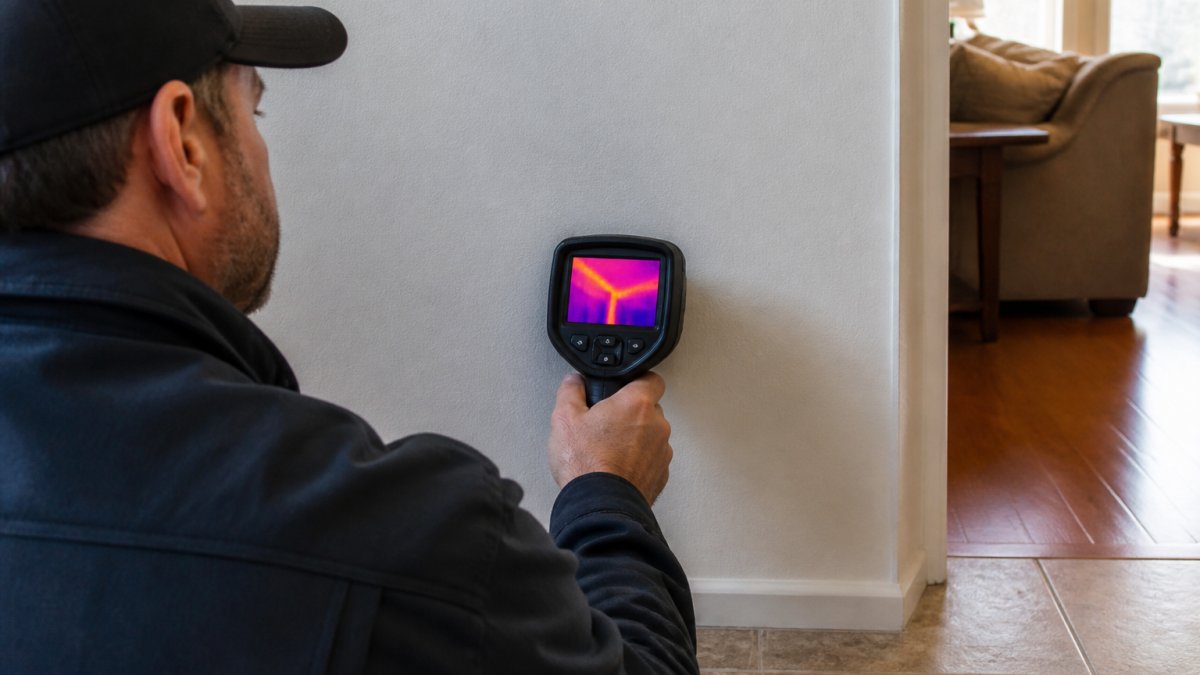
Buying with a deadline is stressful, and a slow report only makes it worse. Executive Home Inspections delivers same-day reports written in plain English, with photos and clear recommendations. As a Certified Master Inspector with 18+ years of experience, we include thermal imaging to catch moisture and heat issues a visual pass can miss. Get started with Executive Home Inspections and make your offer with confidence.