 how-to
Identifying Minor Maintenance vs Major Defects in a Home
Last Updated: November 3, 2026
Quick Summary
Major defects are faults that compromise safety, structural integrity, or watertightness, or that require a substantial repair. Minor maintenance covers cosmetic or routine issues with no safety risk and no structural harm. Run every issue through four questions in order: safety, structure and watertightness, end-of-life systems, then cosmetic or routine.
- Stop at the first yes when running a defect through the four classification questions.
- A hairline foundation crack can be maintenance, but a wider crack with a sticking door is structural.
- Stair-step brick cracks and doors that no longer latch point to movement worth inspecting.
- A leak stops being minor the moment it is hidden, because concealed water rots framing.
- Sort repairs into immediate, short-term, monitor, and maintenance tiers, then act in order.
Table of Contents
- Minor Maintenance vs Major Defects: A Side-by-Side Decision Framework
- Signs of Structural Damage in a House You Should Never Ignore
- Water Damage Warning Signs in a Home and When a Leak Stops Being Minor
- What Counts as Home Inspection Major Defects
- How to Prioritize Home Repairs by Urgency
- Booking a Same-Day Inspection Before You Commit
- Frequently Asked Questions
Minor Maintenance vs Major Defects: A Side-by-Side Decision Framework
Most buyers blur two very different things. Identifying minor maintenance vs major defects is the single skill that decides whether a house is a sound purchase or a money pit, and the distinction is not about how big the problem looks. It is about safety, structure, and cost. This guide gives you a framework for sorting cosmetic flaws from serious problems.
A minor defect is a fault that affects appearance or convenience but poses no safety risk and does no structural harm. A major defect compromises safety, structural integrity, or watertightness, or requires a substantial repair. The gap between those two definitions is where most purchase decisions go wrong.
Here's the good news: you don't need a trade background to sort them. Four questions do most of the work.
The Four Questions That Classify Any Defect
Run every issue through this sequence, in order. Stop at the first "yes."
- Does it threaten safety? Exposed wiring, a cracked heat exchanger, a blocked flue, or a failing deck ledger are major, full stop. Nothing else matters until this is answered.
- Does it affect structure or watertightness? Foundation movement, rotted framing, or a roof that lets water in belongs in the major column even if it looks small.
- Does it involve a system at the end of its service life? A furnace or roof near replacement age is a major cost item, not a maintenance task.
- Is it cosmetic or routine? If it's no to the first three and yes here, it's maintenance.
The order matters. A hairline crack in a foundation wall can be maintenance. The same crack, wider than a coin and paired with a sticking door, is a structural question. Context decides, not the crack itself.
Maintenance Items vs Defects: Where the Line Actually Sits
Maintenance is work you expect to do on any house, on a schedule. Defects are faults that shouldn't be there or that have progressed beyond normal wear.
| Item | Classification | Why |
|---|---|---|
| Caulking around windows | Maintenance | Routine seal, expected wear |
| Missing or damaged shingles | Major | Water entry risk, deck deterioration |
| Worn weatherstripping | Maintenance | Cheap, routine replacement |
| Cracked heat exchanger | Major | Safety hazard, carbon monoxide risk |
| Plugged gutter | Maintenance | Cleaning task |
| Rotted subfloor near a tub | Major | Structural and moisture damage |
| Dated but working fixtures | Maintenance | Cosmetic, no safety impact |
| Active leak behind drywall | Major | Hidden damage, mold risk |
The pattern is clear. Maintenance is predictable and low-cost. A defect is unpredictable, often hidden, and expensive to defer.
Signs of Structural Damage in a House You Should Never Ignore

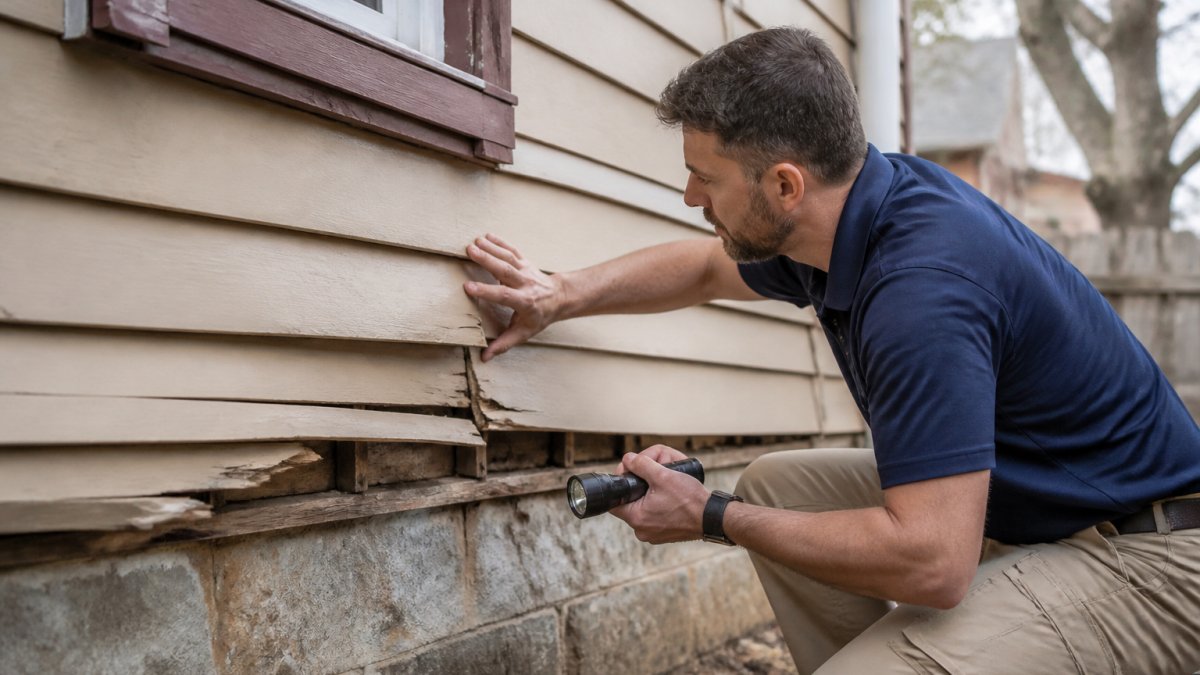
Stair-step cracks in brick, diagonal cracks wider than a pencil at foundation corners, doors that no longer latch, and floors that slope noticeably all point to movement. Any one of these deserves a closer look from a qualified inspector before you commit.
A common mistake is dismissing a crack because it looks old. Age doesn't make movement safe. What matters is whether the crack is active, whether it's paired with other symptoms, and whether the foundation is draining properly. Structural defects rarely appear alone, so read the whole house, not the single crack.
Water Damage Warning Signs in a Home and When a Leak Stops Being Minor
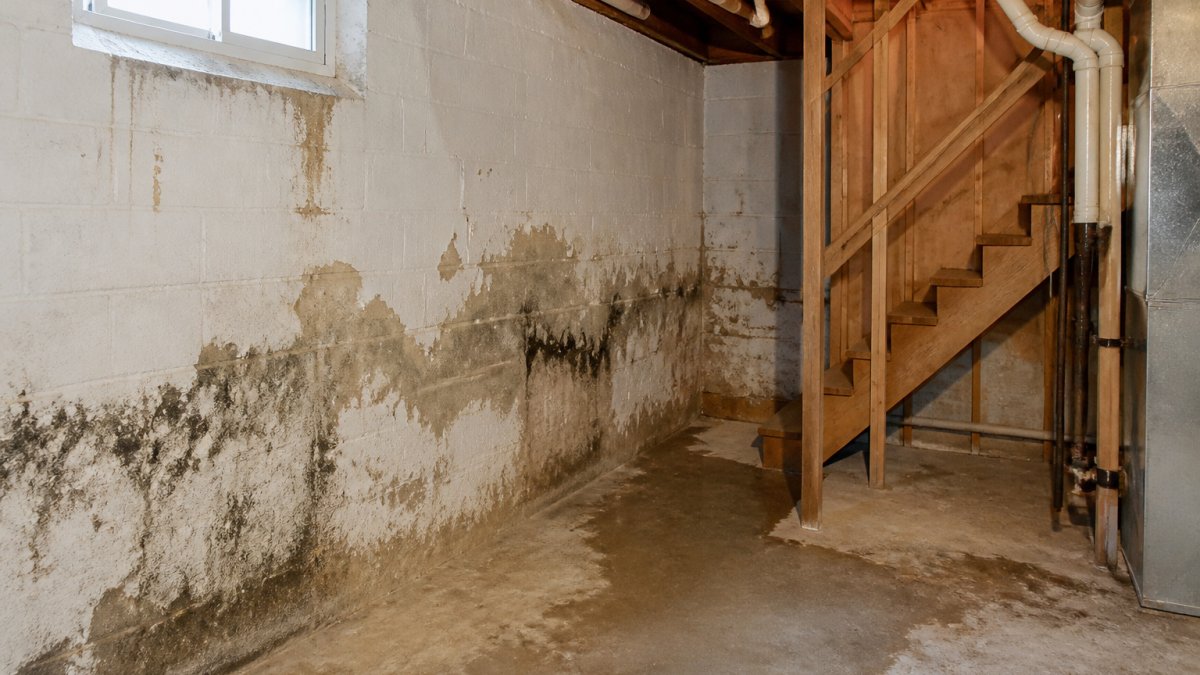
Staining on ceilings, bubbling paint, a musty smell in the basement, and soft spots around tubs or windows all signal moisture. A leak stops being minor the moment it's hidden, because concealed water rots framing and feeds mold long before it shows on a surface.
Book Your Inspection Online Now →
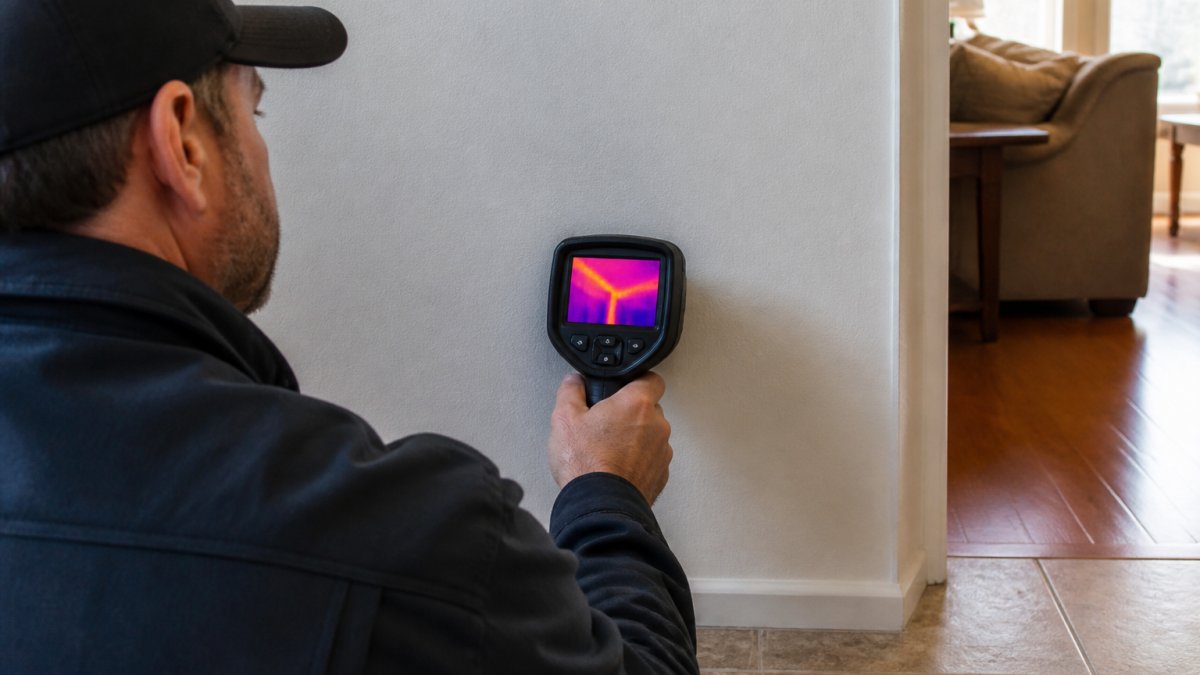
Thermal imaging can reveal temperature differences behind walls that the eye can't see, so a slow leak may become visible before it becomes a repair bill. If you suspect moisture you can't locate, thermal imaging for home inspections explains how the process works step by step.
What Counts as Home Inspection Major Defects
In a home inspection, major defects are faults that affect safety, structure, or watertightness, or that carry a significant repair cost. Inspectors flag them separately because they change the value of the deal, not just the to-do list.
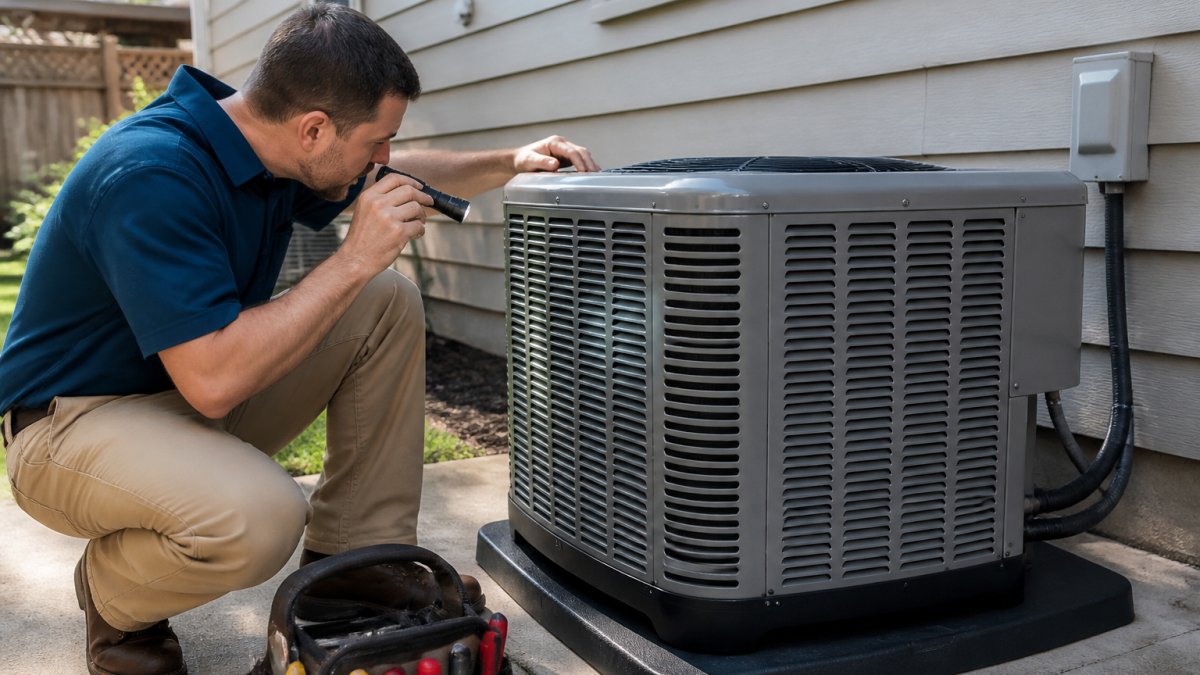
These typically include foundation movement, roof failure or active leaks, defective electrical work, failed heating components, and serious plumbing faults. Knowing what a professional inspection actually covers helps you judge whether a flagged item is major, so it's worth reading what a home inspection covers before you review a report.
How to Prioritize Home Repairs by Urgency
Sort every item into three tiers, then act in order. Safety and active water first, structural and system failures second, cosmetic and routine last.
- Immediate: safety hazards and active leaks. Repair before occupancy.
- Short-term: structural and system items with a known failure timeline. Budget and schedule.
- Monitor: stable issues worth watching. Record and recheck at the next inspection.
- Maintenance: routine tasks on a seasonal schedule.
Documenting each issue makes this manageable: note its location and severity, assign a tier, and set a follow-up date. That record turns a stressful list into a plan, and it's the difference between a report you understand and one you file away.
Booking a Same-Day Inspection Before You Commit
Speed matters when your offer is already in. A same-day report keeps you inside the conditions window instead of scrambling for an extension, and it gives you time to negotiate or walk away with facts in hand.
Executive Home Inspections has over 18 years of experience, holds Certified Master Inspector status, and delivers plain-English reports with photos and recommendations the same day. For older homes with original systems, our guide to what reliable inspectors never skip covers age-related items to look at closely. If you're weighing a property right now, book your inspection online and get answers before the deadline, not after.
Frequently Asked Questions
What is the difference between a maintenance issue and a major defect?
A maintenance item is routine wear you can plan and budget for, such as caulking around a window or replacing a worn seal. A major defect affects safety, structural integrity, or a whole system, like a failing foundation wall or a roof at the end of its life. The practical test is scope and consequence: if the problem is contained and cheap to correct, it is maintenance. If it compromises how the house performs or protects its occupants, it is a defect.
How can you tell if a crack in a wall is a serious structural defect?
Width and pattern matter more than length. Hairline cracks are often settlement or shrinkage and can be monitored. Wider cracks, diagonal cracks running from door or window corners, stair-step cracks in brickwork, or any crack that lets daylight through can point to movement in the structure. Pair that with sticking doors or sloping floors and it warrants a professional assessment before you remove conditions.
Can a home inspection identify major defects?
A thorough inspection identifies visible and accessible major defects and flags conditions that need a specialist. Inspectors may use tools like thermal imaging to look for hidden moisture, and they can check systems such as the roof, foundation, electrical panel, and plumbing. What no inspection can do is open walls or predict the exact remaining life of a component. A clear report separates confirmed defects from items to monitor so you know which is which.
When should a minor leak be treated as a major problem?
Treat a leak as major the moment it reaches structural wood, insulation, or electrical components, or when mold appears. A slow drip under a sink that stains a cabinet floor is a repair item. Water tracking into a ceiling cavity, a musty smell with no visible source, or bubbling paint on a wall suggests moisture is spreading behind finishes, and that escalates to a defect requiring immediate attention and likely a specialist.
The real risk isn't the long list of small items. It's the one defect hiding behind a wall or under a floor that turns into a surprise repair months after closing. Executive Home Inspections protects you from exactly that, with thermal imaging included, 18+ years of experience, and same-day reports written in plain English. Get started with Executive Home Inspections and make your next property decision with confidence.