 blog
7 Things Reliable Home Inspectors for Older Homes Never Skip
Last Updated: November 2, 2026
Quick Summary
Reliable home inspectors for older homes verify certification, experience with pre-1980 construction, and tools like thermal imaging before you book. They check the attic and crawlspace every time, rank findings by urgency and cost, and explain which issues are minor maintenance versus deal-breakers.
- Verify a Certified Master Inspector designation and years working on pre-1980 homes before booking.
- Ask how much of the inspector's work involves homes built before 1980.
- Skipping the attic and crawlspace leaves common moisture and insulation problems undiscovered.
- Confirm in writing whether thermal imaging is included or priced separately.
- Read the report summary first, then recommendations, and get specialist opinions on structural concerns.
Table of Contents
- Why Older Homes Need Reliable Home Inspectors
- Home Inspector Qualifications and Experience to Verify
- The Older Home Inspection Checklist That Covers What Matters
- What to Ask Before You Book
- How to Choose Among Reliable Home Inspectors for Older Homes
- Heritage and Regional Considerations
- Frequently Overlooked Systems in Aging Properties
- Making Your Decision After the Inspection
- Frequently Asked Questions
Why Older Homes Need Reliable Home Inspectors
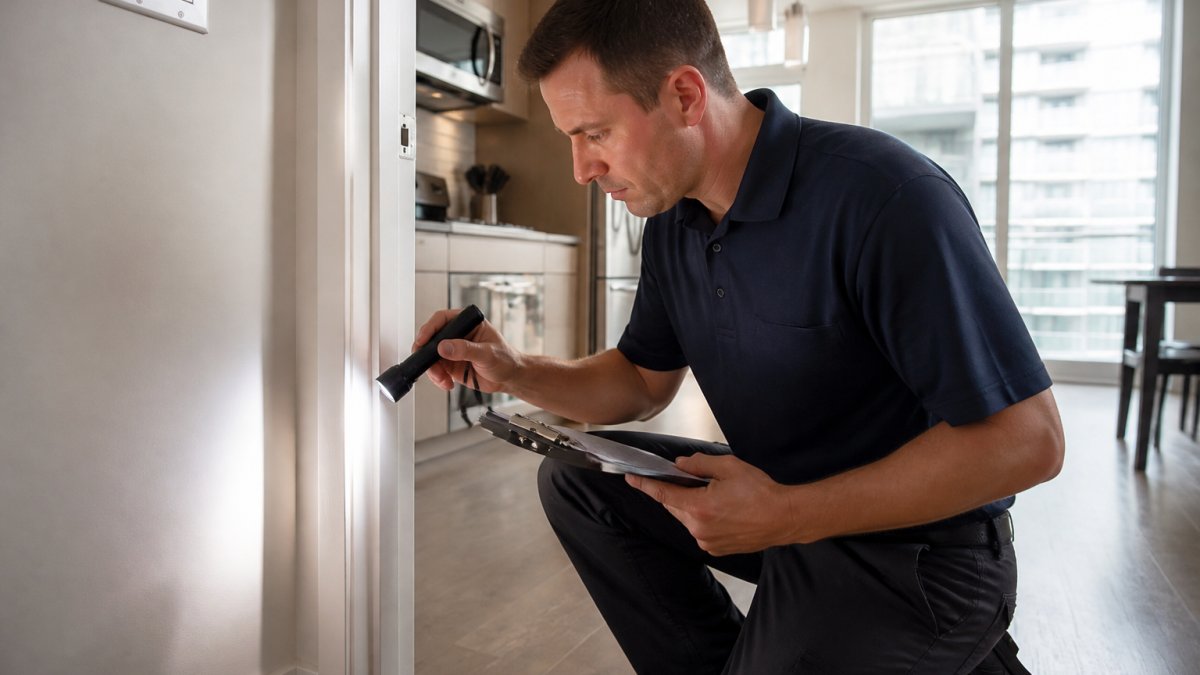
Older homes hide their problems well. A 1950s bungalow with fresh paint can conceal a failing foundation, aluminum wiring, or a roof at the end of its life, which is why reliable home inspectors for older homes matter more than any other professional on your buying team.
At Executive Home Inspections, we inspect aging character homes in the Edmonton area. The costliest surprises sit in the systems nobody looked at closely, and a careful inspection finds them before closing day.
The difference between a routine inspection and a thorough one comes down to what the inspector checks, how they document it, and whether they understand how older construction fails. Below are the seven things reliable home inspectors never skip. Because aging wiring can fail in ways that routine checks miss, electrical checks deserve the same careful attention as the rest of an older home's construction.
Home Inspector Qualifications and Experience to Verify
Credentials separate a careful inspector from a quick one. Before you book anyone, verify certification, experience with older construction, and the tools they carry.
A Certified Master Inspector designation signals advanced training. Ask how many years the inspector has worked on homes from the era you are buying. A 1970s bungalow with original systems demands different knowledge than a new build.
Check the Canadian Association of Home and Property Inspectors for member standards and certification requirements. Canada has no single national licensing body, so provincial associations and certification boards set the bar.
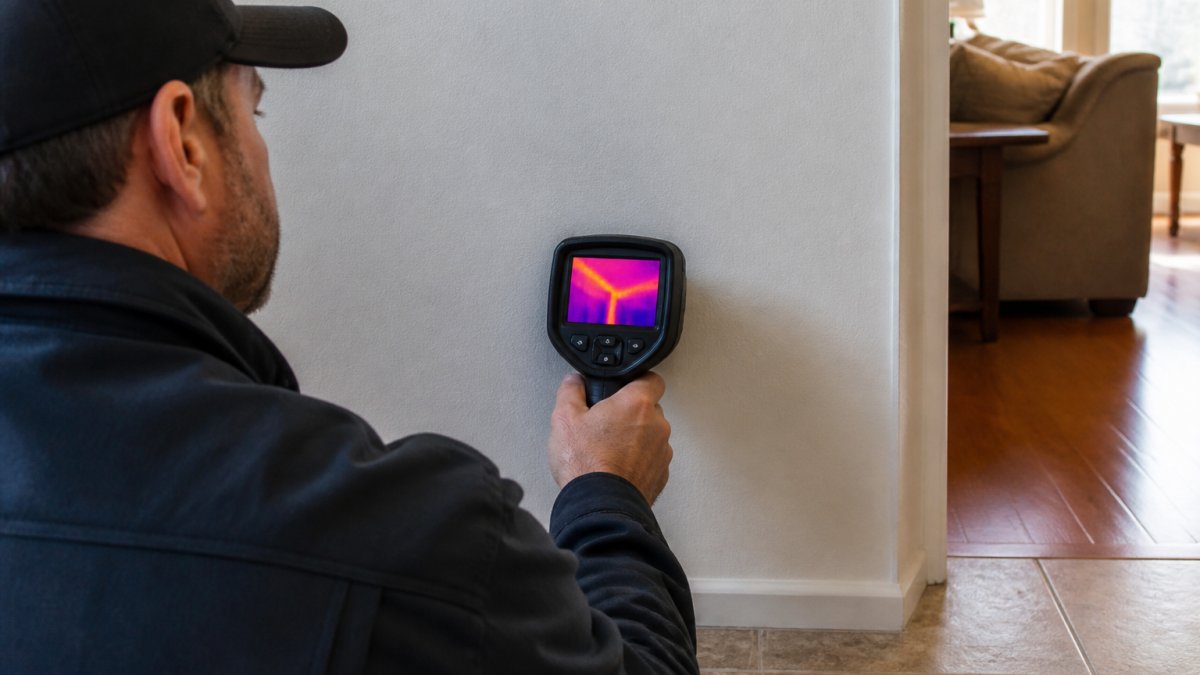
Then ask what equipment they bring. Thermal imaging can reveal hidden moisture and overheating wiring without opening a wall. A qualified inspector who relies on eyesight alone will miss things.
The Older Home Inspection Checklist That Covers What Matters
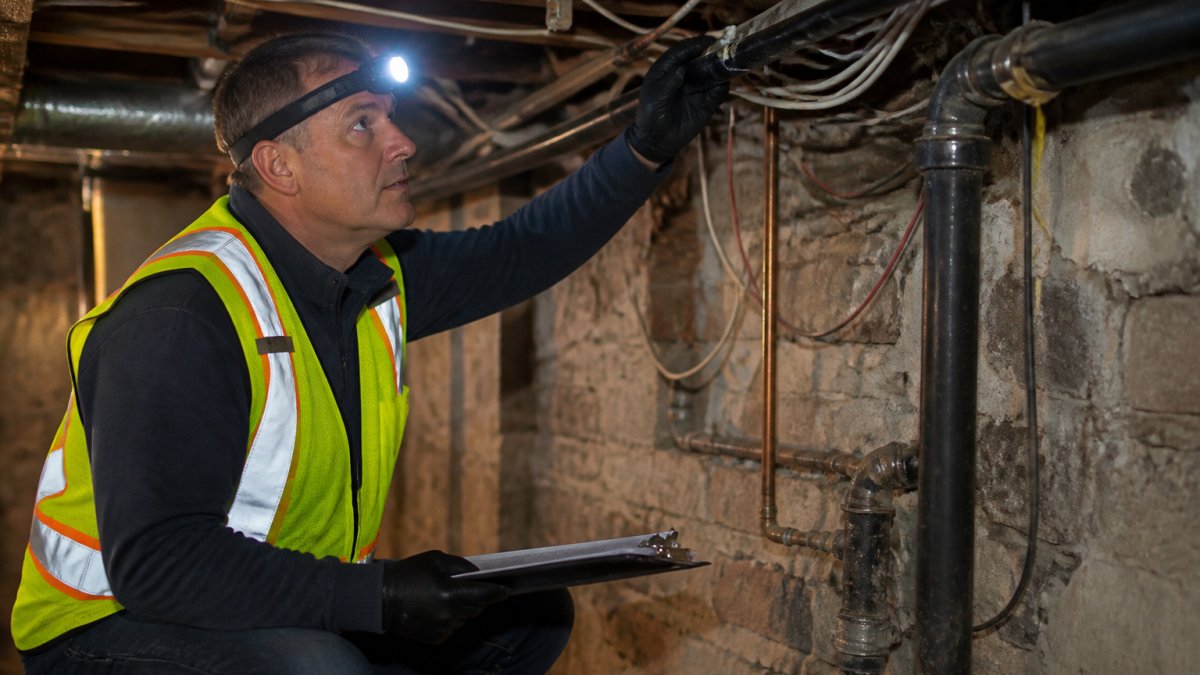
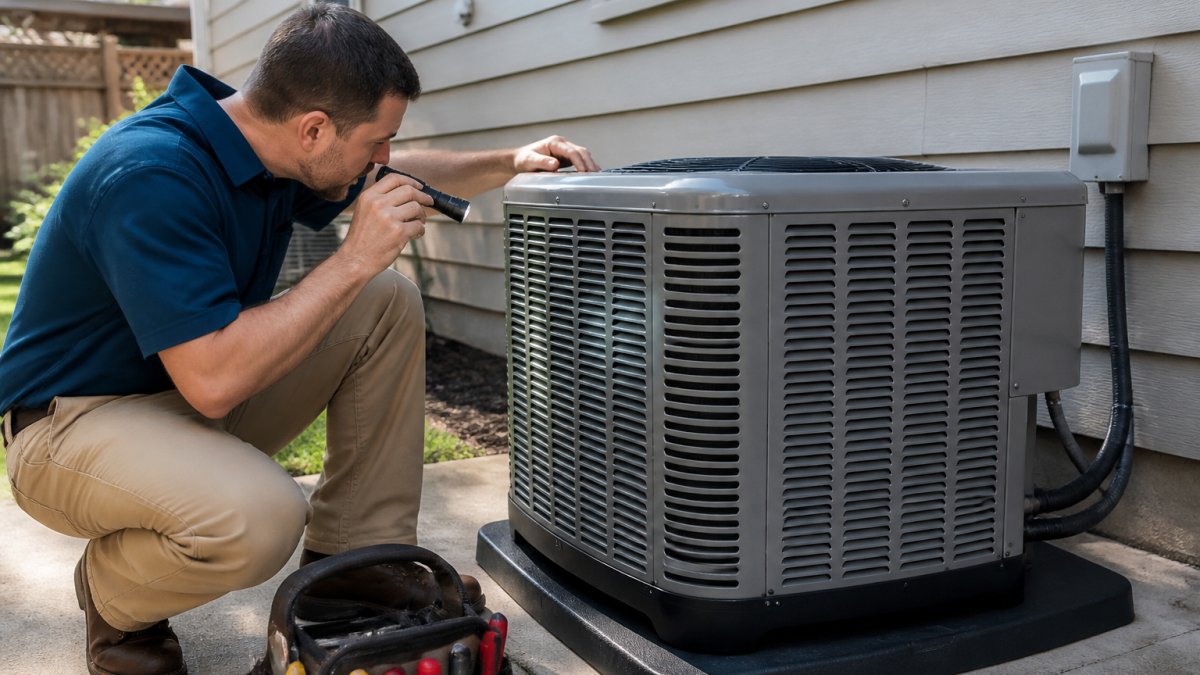
A proper older home inspection checklist goes beyond the standard walkthrough and targets the defects that age produces.
Reliable home inspectors for older homes explain which findings are minor maintenance and which are deal-breakers.
What to Ask Before You Book
Questions to ask a home inspector reveal how they work: whether thermal imaging is included or an add-on, how fast the report arrives, whether it includes photos and recommendations, and what the inspection excludes.
Book Your Inspection Online Now →
For older homes, ask directly: how much of your work involves homes built before 1980? The answer tells you whether the inspector understands aging systems.
How to Choose Among Reliable Home Inspectors for Older Homes
Choosing well comes down to matching credentials to your property's age. Use this comparison to weigh what matters.
| Criterion | What to Look For | Why It Matters for Older Homes |
|---|---|---|
| Certification | Certified Master Inspector | Advanced training on complex systems |
| Experience | Years working on pre-1980 homes | Familiarity with aging materials |
| Tools | Thermal imaging, moisture meters | Finds hidden moisture and wiring faults |
| Report speed | Same-day delivery | Keeps your offer competitive |
| Report clarity | Plain-English with photos | Separates minor fixes from deal-breakers |
| Scope | Clear list of exclusions | Sets honest expectations |
A certified inspector with thermal imaging and same-day reporting protects you from expensive surprises. That combination is what we build every Executive Home Inspections report around.
Heritage and Regional Considerations
Heritage homes add complexity: designated properties may restrict exterior alterations, and older foundations, knob-and-tube wiring, and single-pane windows appear more often in character homes. An inspector who knows these patterns gives you a realistic repair picture before you commit.
Frequently Overlooked Systems in Aging Properties
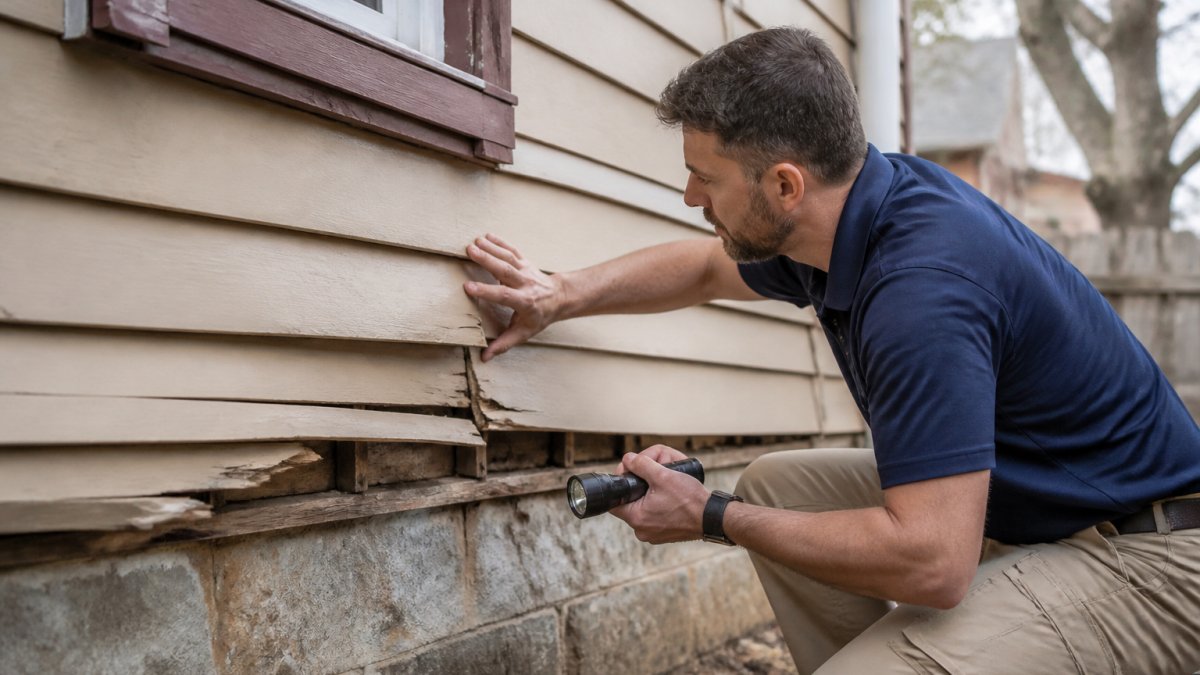
Some defects hide until they are expensive. Skipping the attic and crawlspace leaves the most common moisture and insulation problems undiscovered, so reliable inspectors check both every time.
Thermal imaging home inspection adds a second layer of protection, spotting overheating circuits and hidden leaks a visual pass cannot. Ask whether it is included in the base inspection or priced separately, and get that in writing.
Making Your Decision After the Inspection
A detailed report is a decision tool, not a verdict. Reliable home inspectors for older homes rank findings by urgency and cost; read the summary first, then the recommendations, and get a specialist opinion on any structural concern before you waive conditions.
Frequently Asked Questions
What should I look for in reliable home inspectors for older homes?
Look for certification such as Certified Master Inspector, at least a decade of hands-on experience with aging systems, and a report that explains findings in plain language. Confirm the inspector carries liability insurance and follows a recognized standard of practice. Ask whether thermal imaging and moisture testing are included or extra. An inspector who specializes in older homes will flag knob-and-tube wiring, galvanized pipes, and foundation movement that a generalist might note only in passing.
What problems should an inspection uncover in an older house?
An older-home inspection should examine the foundation for cracks and settlement, the roof covering and flashings, electrical panels and wiring types, plumbing materials, the heating system, and signs of moisture intrusion. Inspectors also check attics for insulation and ventilation problems, and look for asbestos or vermiculite clues that warrant specialist review. The report should separate safety concerns from maintenance items so you know what to negotiate and what to monitor.
Can a home inspector assess outdated wiring and plumbing?
A qualified inspector can identify visible wiring types such as knob-and-tube or aluminum branch circuits, and note plumbing materials including galvanized steel or polybutylene. They test receptacles, check panel labeling, and look for evidence of leaks or corrosion. What they cannot do is open walls or certify systems as code-compliant. Expect the report to recommend a licensed electrician or plumber for further evaluation when findings suggest hidden risk.
Buying an older home means accepting some risk. The right inspector shrinks that risk to a known list you can plan around. Executive Home Inspections brings Certified Master Inspector credentials, more than 18 years of experience, thermal imaging included, and same-day plain-English reports with photos and recommendations. Get started with Executive Home Inspections and book your inspection online with confidence.