 listicle
Do Pre-Listing Home Inspection Benefits Really Pay Off?
Last Updated: November 4, 2026
Quick Summary
Pre-listing home inspection benefits come down to control: you learn about roof, electrical, plumbing, and foundation issues before a buyer's inspector does, so you decide what to fix, disclose, or price in. That early discovery reduces inspection-related contingencies and closing delays, and a report in hand builds buyer trust.
- A pre-listing inspection covers the roof, attic, foundation, electrical, plumbing, HVAC, and visible structural elements.
- Thermal imaging can reveal hidden moisture intrusion, insulation gaps, and overheating electrical components.
- Group findings into safety issues, aging components, and cosmetic items to prioritize repairs.
- Once you know about a material defect, seller disclosure rules generally require you to reveal it.
- Clear access to the attic, crawlspace, electrical panel, and furnace before the inspector arrives.
Table of Contents
- Why a Pre-Listing Home Inspection Changes the Sale
- What Does a Pre-Listing Home Inspection Include?
- Pre-Listing Home Inspection Cost: What Sellers Actually Pay For
- Pre-Listing Inspection Pros and Cons for Sellers
- Your Seller Home Inspection Checklist Before Listing
- Book Your Pre-Listing Inspection with Executive Home Inspections
- Frequently Asked Questions
Why a Pre-Listing Home Inspection Changes the Sale
Among the clearest pre-listing home inspection benefits is a professional property condition assessment a seller orders before the home goes on the market. Sellers who discover problems on their own terms, on their own schedule, avoid surprises during a buyer's contingency window. That timing difference is the whole game.
Here is what most guides get wrong: they treat a seller inspection as a repair checklist. It is really a negotiation tool. When you know your roof condition, electrical system, plumbing system, and foundation issues before listing, you decide what to fix, what to disclose, and what to price in. Buyers respond to that control.
Below, we break down what a pre-listing home inspection includes, what it costs, the real pros and cons, and how to prepare. First, the honest reason it matters: last-minute surprises kill deals, and the cheapest surprise is the one you find yourself.
What Does a Pre-Listing Home Inspection Include?
A pre-listing home inspection covers the same major systems a buyer's inspector examines, but you get the findings first. The scope typically includes the roof, attic, foundation, electrical system, plumbing system, HVAC system, and visible structural elements, documented in a written home inspection report.
For sellers, the value sits in the inspection findings you can act on. A qualified inspector flags safety concerns, deferred maintenance, and potential defects, then separates cosmetic repairs from genuine problems. With clear findings in hand, you can prioritize worthwhile fixes and negotiate inspection repairs without letting minor cosmetic issues distract from the problems that matter.
Major Systems and Structural Checks
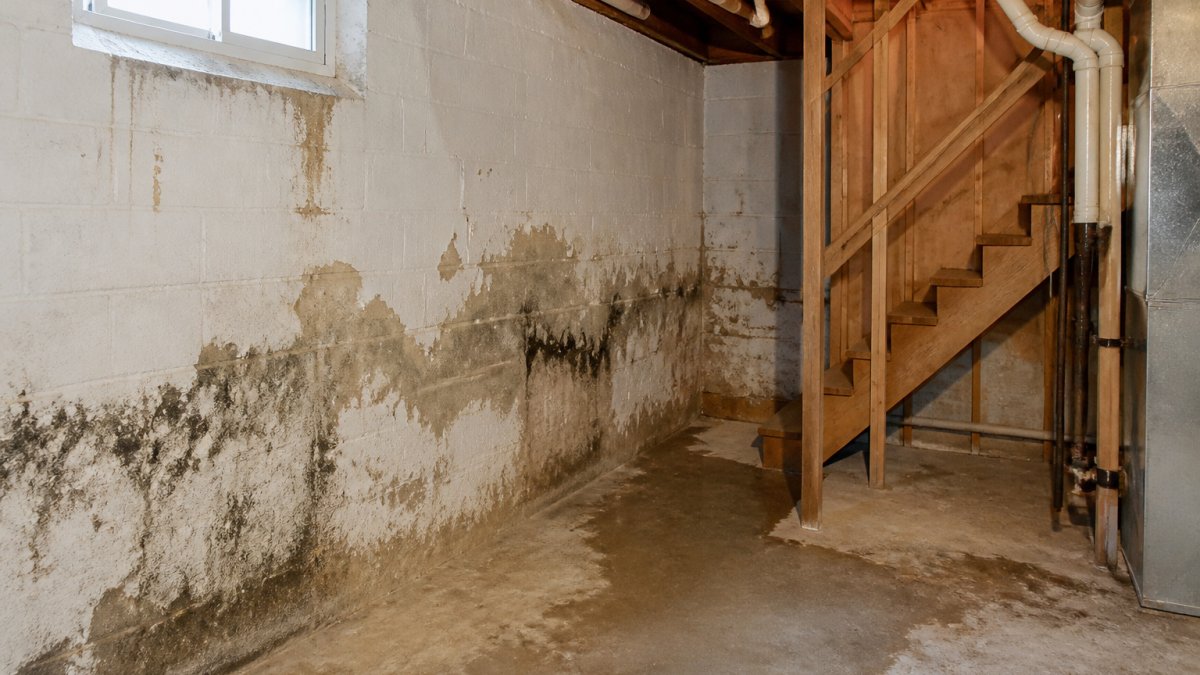
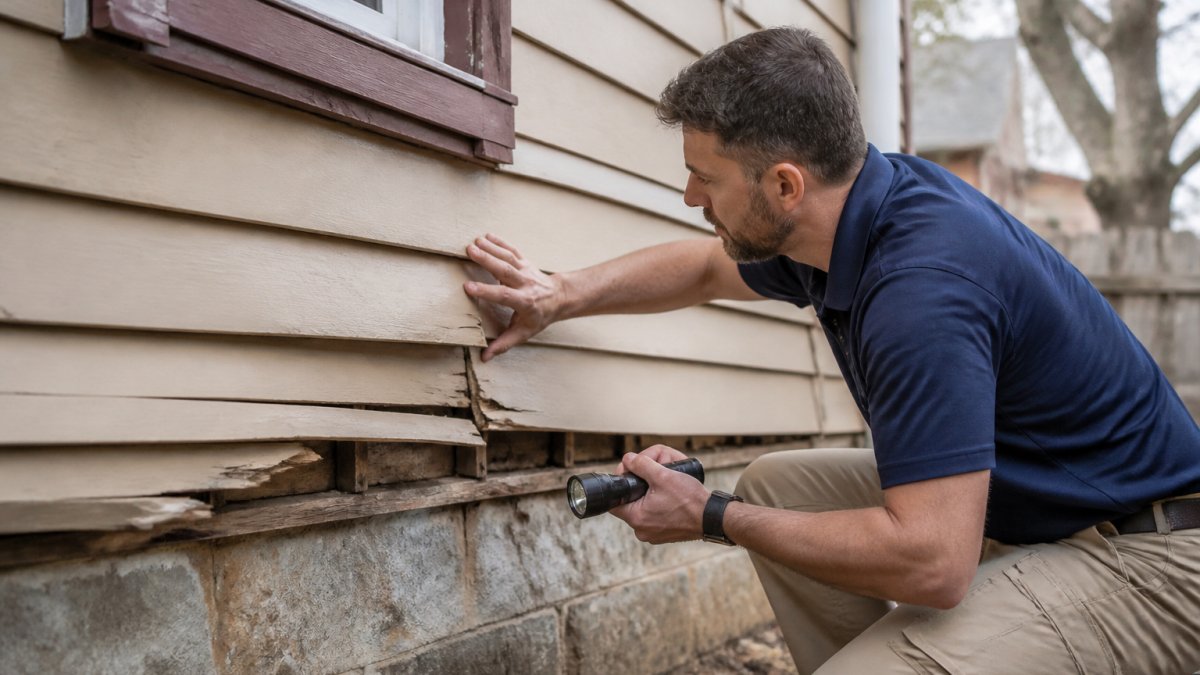
The core walkthrough covers the systems buyers care about most: roof condition, foundation, electrical, plumbing, and HVAC. These are where repair costs climb fastest and where inspection contingencies stall closings. An inspector notes age, visible wear, and anything that would raise a red flag in a buyer inspection.
Thermal Imaging and Hidden Issues
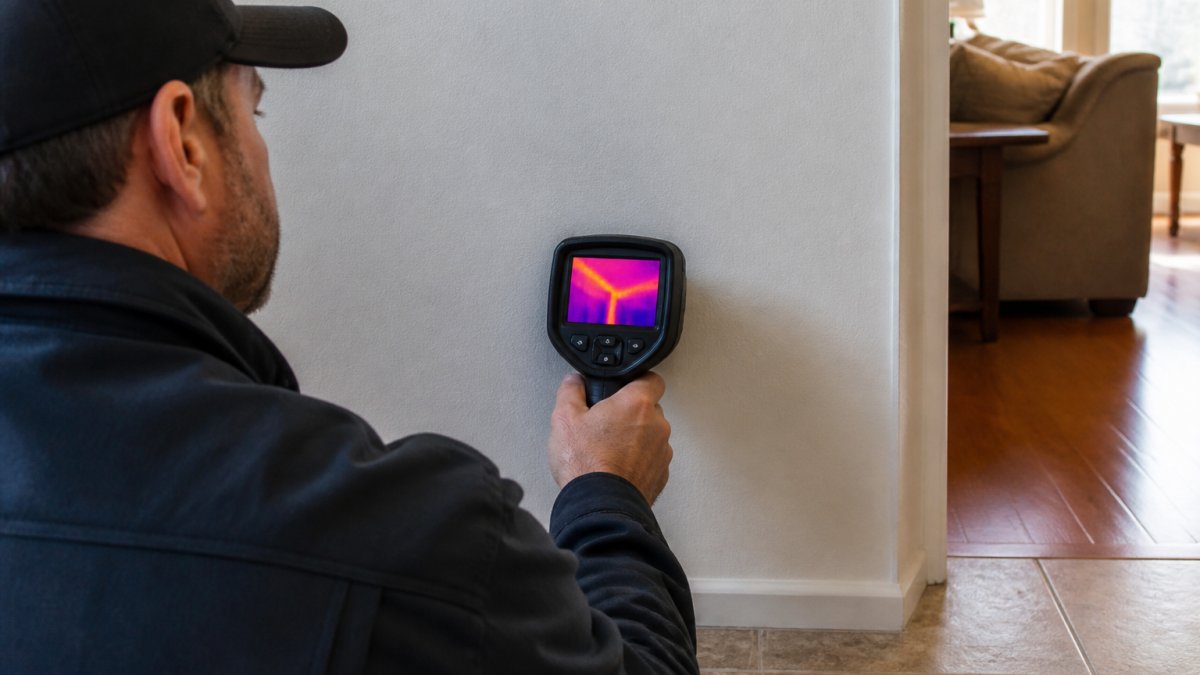
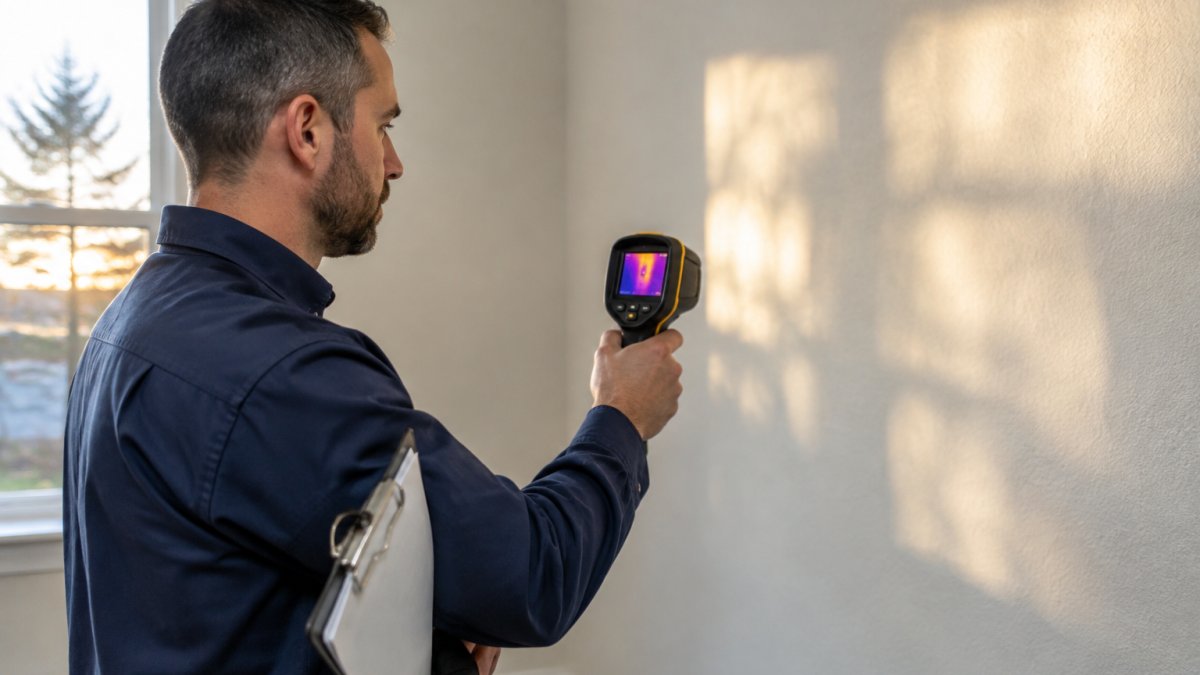
Thermal imaging reveals hidden issues a visual check can miss, including moisture intrusion, insulation gaps, and overheating electrical components. Executive Home Inspections includes thermal imaging, which can help reveal problems hidden behind walls. For a deeper walkthrough of how it works, read our thermal imaging for home inspections guide.
Pre-Listing Home Inspection Cost: What Sellers Actually Pay For
Pre-listing home inspection cost in Canada typically falls in a broad range rather than a single flat fee.
What the fee actually buys is a defined scope. A pre-listing inspection covers major systems and visible components, documented in a written report with photos.
Scope also shifts by property type. A condo inspection usually focuses on the unit interior and visible components, since common elements fall under the corporation's responsibility; confirming what the inspector will and will not examine is part of comparing quotes.
Watch out: comparing inspectors on price alone can backfire if the cheapest quote excludes thermal imaging, report turnaround, or a follow-up call, so ask each inspector what is included before you decide.
To put the fee in perspective, weigh it against the alternative.
Pre-Listing Inspection Pros and Cons for Sellers
A pre-listing inspection is not automatically the right call for every sale. It trades upfront cost and disclosure obligations for control, buyer confidence, and stronger negotiation use. The honest way to decide is to sort the findings into a repair-prioritization framework rather than treating every line item as equally urgent.
Book Your Inspection Online Now →
A Practical Repair-Prioritization Framework
Most practitioners group inspection findings into three buckets. First, safety and major-system issues: electrical hazards, gas or carbon monoxide concerns, structural movement, roof failure, and active water intrusion. Second, functional but aging components: a furnace or water heater near the end of its service life, older windows, or a dated but working roof. Third, cosmetic and minor maintenance: caulking, paint, a sticky door, a worn screen.
The framework matters because it connects inspection findings to disclosure. Once you know about a material defect, seller disclosure rules generally require you to reveal it, and the rules differ by province and territory. A common pattern is that sellers must disclose known latent defects and any material facts that could affect a buyer's decision, while some jurisdictions use property condition disclosure statements.
The Pros: Control, Confidence, and Negotiation Use
- Early defect discovery: You find potential defects and needed repairs before a buyer does, while you still control the timeline.
- Fewer surprises: A buyer inspection that confirms your report builds buyer trust instead of sparking panic.
- Fewer contingencies: You can reduce inspection-related contingencies and protect against closing delays.
- Pricing power: Real repair estimates support your asking price and protect resale value.
- Marketability: A documented, well-maintained property tends to move faster, shortening days on market.
The Cons: Cost, Disclosure, and Timing
- Upfront cost: You pay for the inspection whether or not you list.
- Disclosure requirements: Once you know about a defect, seller disclosure rules generally require you to reveal it, and the scope of that duty varies by jurisdiction.
- Timing pressure: Repairs take time, and you may need to adjust your listing date.
- Not a warranty: An inspection is a snapshot of visible condition, not a guarantee against future failures.
A common mistake is skipping the inspection to avoid the disclosure conversation. In practice, hiding a known defect is the bigger risk, and a buyer who discovers it later may renegotiate or walk away. If you are weighing which findings matter, our guide to identifying minor maintenance vs major defects helps you sort the small stuff from the expensive stuff.
Watch out: a report that flags a major-system concern is not a reason to cancel the sale, but ignoring it without a professional evaluation can turn a manageable repair into a negotiation crisis.
Here is the honest trade-off sellers weigh before ordering an inspection.
| Aspect | Pros | Cons |
|---|---|---|
| Discovery | Find defects before a buyer does | Upfront cost whether or not you list |
| Buyer reaction | Confirming report builds buyer trust | Disclosure rules require revealing known defects |
| Contingencies | Can reduce inspection-related contingencies | Repairs take time and may shift listing date |
| Pricing | Real repair estimates support asking price | Not a warranty against future failures |
| Marketability | Documented property tends to move faster | Disclosure scope varies by jurisdiction |
Your Seller Home Inspection Checklist Before Listing
Use this seller home inspection checklist to prepare so the inspector can see everything clearly:
- Clear access to the attic, crawlspace, electrical panel, and furnace
- Replace burnt-out bulbs and test smoke and carbon monoxide detectors
- Fix visible leaks and address any musty smells
- Trim vegetation away from the roof and exterior walls
- Gather records for recent roof, HVAC, or plumbing work
- Note any known issues and past repairs for the inspector
- Confirm the inspection scope covers condo common areas if applicable
- Book early enough to leave time for recommended repairs before listing
Choosing the inspector matters as much as the checklist. Ask about certification, experience with older homes, report turnaround, and whether thermal imaging is included. A Certified Master Inspector with same-day reporting gives you findings fast enough to act on before your listing goes live.
Book Your Pre-Listing Inspection with Executive Home Inspections
The sellers who come out ahead are the ones who learn the truth about their property before a buyer does. That is the core of the pre-listing home inspection benefits: control over repairs, confidence in your asking price, and a smoother real estate transaction from listing to closing.
Executive Home Inspections brings 18+ years of experience, Certified Master Inspector credentials, thermal imaging, and same-day, plain-English reports with photos and recommendations. We inspect houses, condos, and older character homes, and we help you understand what needs fixing and what can wait. Get started with Executive Home Inspections and list with the full picture in hand.
Frequently Asked Questions
What are the benefits of a pre-listing home inspection?
A pre-listing inspection helps you find and fix problems before buyers see them. You can address structural issues, old roofing, or electrical concerns on your timeline. It also lets you price the home realistically and negotiate from a position of knowledge. Sellers who inspect first often avoid last-minute surprises, reduce the chance of deal fallout, and build buyer trust by showing transparency. The report gives you a clear repair plan so you can decide what to fix and what to disclose.
How much does a pre-listing home inspection cost?
The cost of a pre-listing home inspection depends on the size, age, and complexity of the property, as well as the inspector's scope. Prices vary by region and are not a fixed rate. For an accurate figure, request a quote from a qualified inspector. Executive Home Inspections provides same-day reports and can give you a clear price based on your home's details. Keep in mind that identifying a major defect early can save far more than the inspection fee.
Do sellers have to share a pre-listing inspection report with buyers?
Disclosure requirements vary by province. In many Canadian provinces, sellers must disclose known material defects. If you have a pre-listing inspection report, you may be legally required to disclose issues it uncovers. Some sellers share the full report to build trust; others share only a summary of completed repairs. Consult a local real estate lawyer or your agent to understand your obligations. Transparency often helps the sale proceed smoothly, but you should never hide known problems.
Should I fix everything found in a pre-listing inspection?
No. Focus on safety issues, major systems, and defects that could derail financing or scare buyers. Cosmetic items and minor maintenance can be left as-is or noted. A practical approach is to get repair estimates and prioritize items that affect structural integrity, roof condition, electrical system, plumbing system, HVAC system, and foundation. Fixing everything can erode your profit; fixing what matters protects your sale price and reduces negotiation friction.
Ready to sell with confidence? Book your pre-listing inspection online now and get your same-day report before your first showing.